Sauna Fire Suppression System: Essential Safety for Modern Wellness Spaces
Saunas are widely appreciated for their relaxation and health benefits, but they also present unique fire risks due to high temperatures, electrical heaters, and combustible materials such as wood interiors. Installing a sauna fire suppression system is a critical step in ensuring safety, protecting property, and complying with modern building regulations.
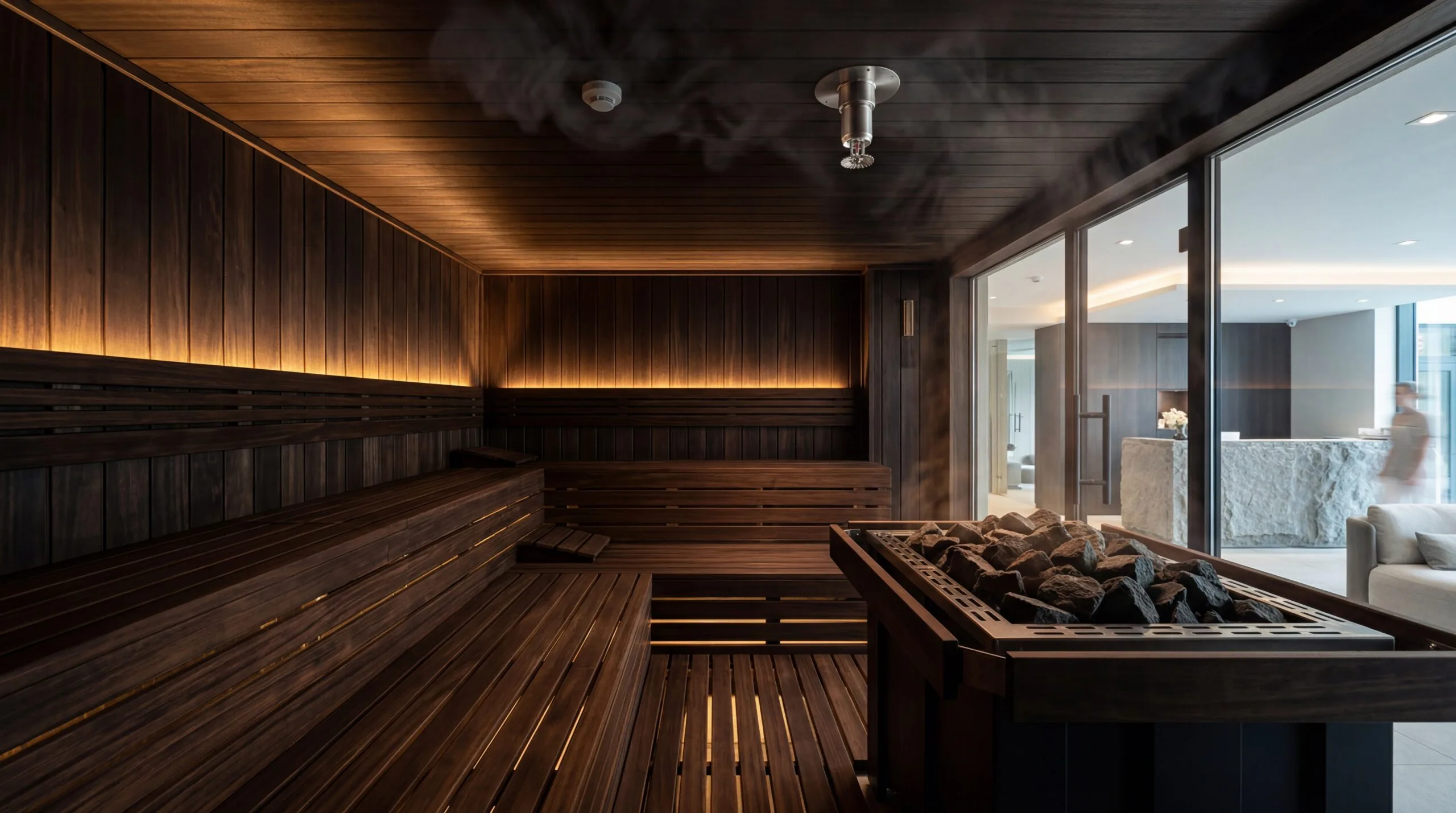
A sauna fire suppression system is specifically designed to detect and extinguish fires quickly in high-heat environments. Unlike standard fire protection systems, these are built to operate effectively despite the extreme temperatures and humidity commonly found in saunas. Traditional smoke detectors may not function properly in such conditions, which is why specialized heat detectors are often used instead.
One of the most common causes of sauna fires is malfunctioning heaters or improper use, such as placing flammable items too close to heating elements. Over time, dust accumulation and electrical faults can also increase the risk. A fire suppression system mitigates these dangers by automatically activating when a certain temperature threshold is exceeded, releasing a fire-extinguishing agent directly onto the source of the fire.
There are several types of sauna fire suppression systems available. Water mist systems are popular because they use fine droplets to cool the fire and reduce oxygen levels without causing significant water damage. Another option is clean agent systems, which release non-toxic gases that suppress fire without leaving residue. These are particularly useful in high-end or commercial sauna installations where preserving the interior is important.
Installation should always be carried out by certified professionals who understand both fire safety standards and the specific requirements of sauna environments. Proper placement of nozzles, sensors, and control units is essential for the system to function effectively. Additionally, the system must be tested regularly to ensure it remains operational over time.
Maintenance is another key aspect. Regular inspections help identify issues such as blocked nozzles, faulty sensors, or depleted suppression agents. Many systems also include alarm features that alert users and building management in case of activation, allowing for a quick response and evacuation if necessary.
For commercial establishments like spas, gyms, and hotels, having a reliable fire suppression system is not just a safety measure but also a legal requirement in many regions. It demonstrates a commitment to customer safety and can reduce insurance costs. Even for residential saunas, investing in such a system provides peace of mind and long-term protection.
In addition to installing a suppression system, users should follow basic safety practices. These include keeping flammable materials away from heaters, ensuring proper ventilation, and adhering to manufacturer guidelines. Combining these practices with an effective fire suppression system creates a comprehensive safety approach.
In conclusion, a sauna fire suppression system is an essential component of any modern sauna setup. By detecting and controlling fires early, it minimizes damage, protects lives, and ensures a safe and enjoyable experience for users. Whether for personal or commercial use, prioritizing fire safety is always a wise and necessary investment.


Comments
Post a Comment